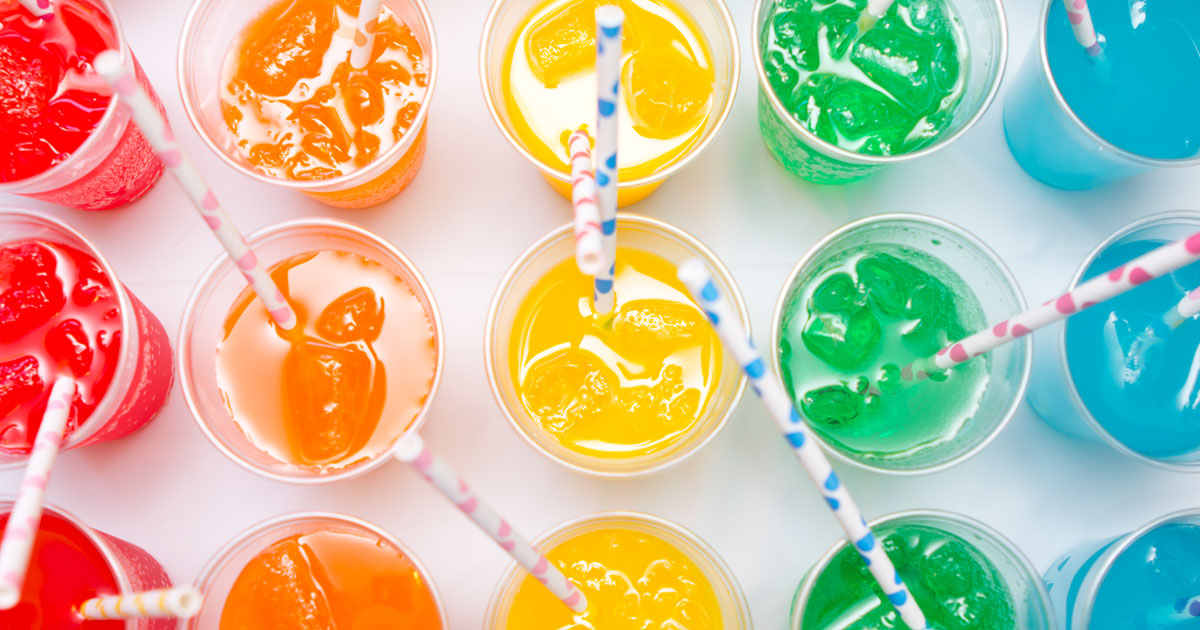
Earlier this year, the Food and Drug Administration (FDA) announced an upcoming ban on certain synthetic food dyes. Though it won’t fully take effect until the end of 2026, food manufacturers are already working to adapt to the new regulations. While this represents a challenge for the industry, it also offers an opportunity to develop products that use natural colorants derived from fruits. These alternatives both meet regulatory requirements and align with broader consumer demand for recognizable ingredients.
Synthetic food dyes have been used in American food manufacturing for decades because of their ability to provide consistent, stable colors that survive processing and storage. However, consumer attitudes toward petroleum-based additives have shifted significantly, driven by clean-label preferences and concerns about potential health effects. This skepticism formed the backdrop for federal action announced in April, when officials revealed plans to phase out eight synthetic dyes from the food supply by the end of 2026.
The targeted dyes include some of the most widely used colorants in the industry: Red No. 40, Yellow No. 5, Yellow No. 6, Blue No. 1, Blue No. 2, Green No. 3, Orange B, and Citrus Red No. 2. These colorants currently appear in thousands of products, from breakfast cereals and candy to sports drinks, flavored yogurt, and baked goods. The decision reflects mounting pressure from advocacy groups concerned about behavioral effects in children, though the scientific evidence remains mixed. The FDA has long maintained that approved dyes are safe within established limits, but public pressure and state-level legislation have pushed regulators toward a more precautionary approach.
The transition away from synthetic dyes presents genuine technical difficulties, particularly for beverage applications. Natural colorants often lack the stability of synthetic alternatives under heat, light, and varying pH levels. This matters especially for beverages, which must maintain consistent color through processing, storage, and exposure to light on retail shelves. Some natural colors can shift or fade in acidic environments, while others lose intensity when exposed to heat during pasteurization or other processing steps.
Beverage manufacturers also face supply chain and consistency challenges with natural colorants. Plant-based color sources can show batch-to-batch variation in intensity and hue depending on growing conditions and harvest timing. This variability requires manufacturers to adjust formulations across production runs to maintain the visual consistency that consumers expect. Additionally, natural colorants typically cost more than synthetic dyes and may require higher usage rates to achieve comparable color intensity, affecting both ingredient costs and formula balance.
Despite these challenges, fruit-based colorants offer distinct advantages that make them particularly appealing for beverage reformulation. Perhaps most importantly, they appear on ingredient lists as recognizable fruits rather than technical color extracts, which aligns with consumer expectations for natural products. Many fruit colorants also contribute flavor and aroma alongside color, allowing manufacturers to simplify formulations by using ingredients that serve multiple purposes. Fruit-derived colors come from sources rich in anthocyanins and carotenoids (the two primary classes of natural pigments), giving formulators access to a wide spectrum of reds, purples, blues, yellows, and oranges from familiar ingredients.
Given the stability and consistency challenges that some natural colorants present, selecting the right fruit-based ingredient for specific applications becomes crucial. FruitSmart’s portfolio includes fruits rich in anthocyanins (providing reds, purples, and blues) and carotenoids (delivering yellows and oranges), giving manufacturers options across the color spectrum. Below are key fruit-based color solutions for replacing synthetic dyes:
FruitSmart’s processing methods address the stability and consistency challenges that complicate natural color adoption. The company’s standardized drying, concentration, and milling processes help minimize batch-to-batch variation while maintaining color intensity and pigment stability. Juice concentrates, purees, and powdered formats each offer different advantages depending on application requirements. Concentrates provide intense color in small volumes, purees contribute body and mouthfeel alongside coloring, and powders work well in dry mix applications or where extended shelf life matters.
Beyond ingredient supply, FruitSmart works with manufacturers to develop formulations that meet specific color targets while balancing flavor, cost, and processing requirements. The team can recommend single-fruit solutions or create custom blends that achieve particular hues, adjust for pH sensitivity in beverage applications, or combine fruits to deliver both color and complementary flavor profiles. This collaborative approach helps manufacturers navigate the transition from synthetic dyes without compromising product performance or visual identity. Whether reformulating an existing product line or developing new offerings that leverage natural fruit colors, FruitSmart provides both ingredients and technical guidance to support successful outcomes.
As the synthetic dye phase-out deadline approaches, fruit-based colorants offer manufacturers a path forward that meets regulatory requirements while aligning with consumer preferences for recognizable ingredients. FruitSmart’s range of fruit juices, concentrates, purees, and powders provides natural color solutions across the spectrum, from anthocyanin-rich berries to carotenoid-based fruits. Contact FruitSmart today to explore how our fruit ingredients and formulation expertise can support your transition to natural colors.

