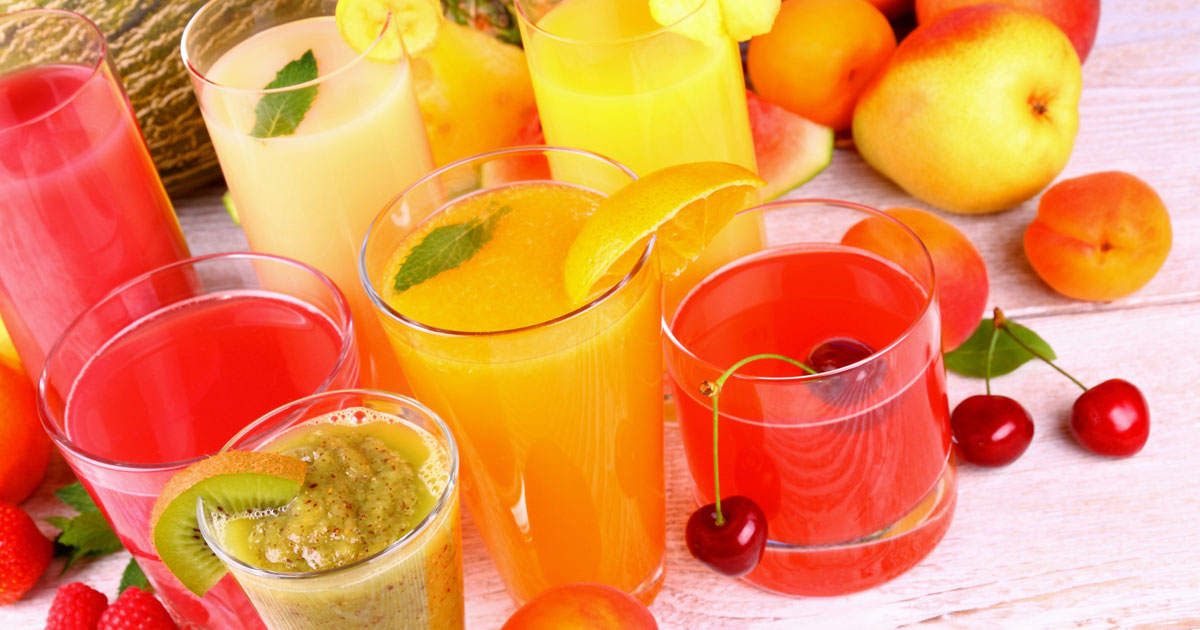
As the beverage industry moves through 2026, innovation continues to be shaped by a combination of health priorities, changing tastes, and practical manufacturing concerns. Health and wellness remain key drivers, but the emphasis is now more on beverages that support daily hydration and routine functional needs. At the same time, appealing appearance and taste remain the main criteria for whether consumers will make a purchase. For manufacturers, the new year provides opportunities to develop products that balance function with flavor using fruit-based ingredients.
One notable shift to keep an eye on in 2026 is the way manufacturers are positioning functional beverages and their health benefits. Instead of prominently featuring lists of nutrients, products are more likely to be marketed as options that fit daily routines and an overall healthy lifestyle. Some of the most popular beverages this year will emphasize broader ideas like hydration, immune system health, and digestive comfort. Rather than performance-focused intensity, these products offer consistent, modest benefits that support healthy living.
Fruit ingredients work well in this context because they naturally support health and wellness without feeling clinical. Kiwifruit, for example, is known for its bright, tart flavor, but it also provides significant vitamin C content. Apple fiber (often in the form of pectin powder) is excellent for improving digestion while appearing as a familiar name on ingredient labels. These fruit products can be easily incorporated into wellness-oriented formulations while remaining accessible to the average consumer.1
Another trend shaping beverage development in 2026 is the growing emphasis on visual appeal and sensory quality. As the market becomes more crowded, manufacturers are paying closer attention to how drinks look and feel, not just how they taste. Color, clarity, and texture increasingly influence whether a product feels worth a higher price. Beverages that appear natural, thoughtfully composed, and visually distinctive tend to signal quality before a consumer even takes a sip.
Fruit ingredients play a central role in creating this premium impression. Blueberry, blackberry, and cherry juices contribute rich, recognizable colors that feel grounded in real ingredients rather than artificial dyes. Mango and guava bring softer, golden tones that suggest freshness and natural sweetness. Fruit purees add subtle body and weight to beverages, improving mouthfeel without the need for synthetic thickeners. Used thoughtfully, these fruit-based components allow manufacturers to create drinks that feel elevated and intentional while maintaining clean labels and familiar ingredient names.
Another pattern emerging in beverage development is a renewed focus on familiar flavors that feel dependable rather than experimental. Consumers are not necessarily looking for novelty for its own sake, but they do respond to flavors they already recognize when those flavors are presented with more care around sourcing, formulation, and overall quality. In many cases, the appeal comes from updating well-known tastes so they feel relevant to current expectations without losing their original character.
Fruit flavors lend themselves well to this approach because they carry strong associations without needing explanation. Apple remains a reliable base flavor that works across juice, hydration, and functional beverage categories. Cranberry brings a sense of seasonality and balance, often associated with tartness and refreshment rather than sweetness alone. Strawberry continues to be widely accepted across age groups, while peach offers a softer profile that feels familiar but still expressive. Used thoughtfully, these fruits allow manufacturers to create beverages that feel approachable and modern at the same time, relying on recognizable flavor profiles rather than novelty to drive interest.
Beverage formulations in 2026 are increasingly moving beyond straightforward sweet profiles toward combinations that introduce contrast and balance. Rather than relying on a single dominant flavor, many products are using acidity, bitterness, or subtle savory notes to create drinks that feel more nuanced. This approach shows up across categories, particularly in sparkling beverages and lightly functional drinks, where layered flavor profiles help products feel more considered without becoming niche.
Fruit ingredients play a useful role in building these more complex profiles because they offer natural points of contrast. Grapefruit contributes bitterness that offsets sweetness and pairs well with herbs or floral notes. Lime adds sharp acidity that brightens richer flavor bases and works effectively in both sweet and savory-leaning drinks. Cucumber brings a restrained, fresh character that shifts beverages away from overt fruitiness, while fruits like fig or date introduce deeper, rounded notes that bridge sweet and savory applications. Used carefully, these ingredients allow manufacturers to create beverages with more depth while remaining grounded in familiar flavor sources.2
Not all beverage innovation in 2026 is focused on ready-to-drink products. Powders, concentrates, and mixable formats are playing a larger role as manufacturers look for ways to extend hydration and functional beverages into more flexible use cases. These formats make sense in situations where portability, shelf stability, or portion control matter more than immediate consumption. They also allow brands to reach occasions such as travel, workplace use, or at-home preparation that bottled beverages don’t always serve well.
Fruit-based ingredients adapt well to these formats because they retain flavor and functionality outside of liquid applications. Fruit powders provide consistent color and flavor in dry mixes while remaining easy to dose and blend. Juice concentrates deliver strong flavor in small volumes, making them effective for dilution-based products and customizable drinks. Fruit essences contribute aroma and flavor impact that survives reconstitution without adding bulk or sweetness. Together, these ingredients allow manufacturers to extend fruit-forward beverage concepts into formats that support convenience and flexibility while maintaining recognizable ingredient sourcing.
FruitSmart enjoys working with beverage manufacturers to develop products that align with emerging trends while remaining practical to produce at scale. Our portfolio of juices, concentrates, purees, powders, and essences supports flavor, color, and functionality across a wide range of beverage formats. With experience in sourcing, processing, and formulation support, FruitSmart helps brands translate trend-driven ideas into products that meet clean-label expectations and real-world manufacturing requirements. Contact us to learn more about how fruit-based ingredients can support your beverage development plans for 2026.

